

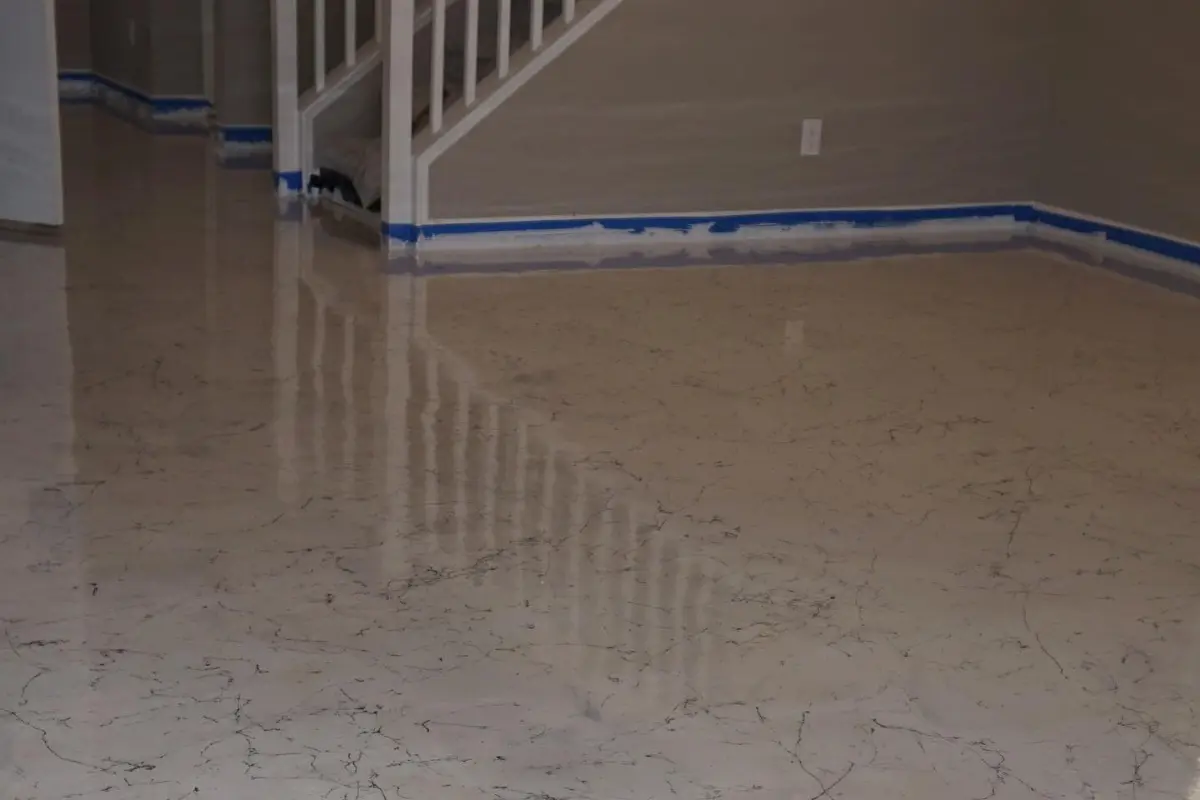
Basements are some of the most versatile spaces in a home. They can serve as storage areas, laundry rooms, hobby workshops, home gyms, or additional living space. Yet many homeowners struggle with plain, unfinished concrete that can be dusty, stained, or hard to maintain. Choosing the right flooring solution is essential not only for functionality but also for comfort, appearance, and long-term maintenance.
Epoxy flooring has become a popular choice for both finished and unfinished basements, offering a durable, low-maintenance surface that can transform a drab concrete slab into a clean, usable, and even stylish area. For homeowners in Las Vegas, Henderson, Summerlin, and surrounding suburbs, Reveles Epoxy provides expert guidance, evaluation, and installation to ensure that your basement floor meets your needs while enhancing your home’s overall value.
What Is Epoxy Flooring for Basements?
Epoxy flooring is a high-performance coating applied to concrete surfaces. It combines resin and hardeners to create a tough, durable surface that can withstand daily wear and tear. Unlike carpet or vinyl, epoxy forms a chemical bond with the concrete, producing a seamless, moisture-resistant surface that is easy to clean and maintain.
Key Benefits of Epoxy for Basement Floors
- Durability: Epoxy coatings resist chipping, scratching, and surface damage from heavy foot traffic, storage, or exercise equipment.
- Moisture Resistance: Epoxy forms a barrier that protects against minor water intrusion, condensation, or humidity common in basements.
- Low Maintenance: Sweeping, mopping, or wiping down spills is quick and easy compared to bare concrete.
- Dust Reduction: Epoxy prevents the common issue of concrete dusting, keeping your basement cleaner.
- Aesthetic Options: From solid colors to decorative flakes or metallic finishes, epoxy can make your basement feel more like a finished part of the home.
While epoxy is versatile, it is not suitable for every basement slab. A professional evaluation ensures the concrete is sound, dry, and ready to receive a coating that will bond correctly and last for years.
Finished vs. Unfinished Basements: Where Epoxy Works Best
Finished Basements
In finished basements, homeowners often want a flooring solution that looks polished and complements the rest of the home. Epoxy can be applied over a smooth concrete slab to create a sleek, glossy finish that resists stains and feels comfortable underfoot. Popular applications in finished basements include:
- Home Gyms: Epoxy withstands exercise equipment and foot traffic.
- Entertainment Areas: Provides a clean, modern look that is easy to maintain.
- Hobby Rooms: Protects floors from paint, glue, or other project materials.
Decorative epoxy finishes can enhance your basement’s design, adding color or texture that makes the space feel inviting rather than industrial.
Unfinished Basements
Unfinished basements are often used for storage, laundry, or utility spaces. These areas benefit from epoxy because it:
- Protects Against Dusting: Prevents concrete dust from settling on stored items.
- Resists Stains: Guards against spills from detergents, cleaners, or household chemicals.
- Simplifies Cleaning: Smooth surfaces are easier to sweep or mop.
Even in an unfinished basement, epoxy can create a surface that is cleaner, more organized,
Preparing Your Basement for Epoxy Flooring
Proper preparation is critical for a long-lasting epoxy floor. A poorly prepared slab can lead to peeling, bubbling, or bond failure. The preparation process typically includes:
- Cleaning: Remove dirt, dust, oils, and residues to ensure proper adhesion.
- Grinding or Shot Blasting: Lightly roughen the concrete surface to create a profile for the epoxy to bond.
- Crack and Imperfection Repair: Fill small cracks, chips, or pitting for a smooth, even surface.
- Moisture Testing: Basements must be checked for excessive moisture, which can prevent proper curing.
A professional installer like Reveles Epoxy evaluates your concrete slab, addressing these factors to maximize the lifespan and performance of your coating.
Everyday Benefits of Epoxy Basement Flooring
Epoxy flooring offers practical advantages for daily life in a basement:
Easy to Clean and Maintain
Unlike bare concrete, which can trap dust and stain easily, epoxy surfaces can be swept, mopped, or wiped quickly. Laundry room spills, pet accidents, or hobby messes are easy to manage.
Moisture Protection
Basements are prone to dampness and occasional water intrusion. A moisture-resistant epoxy coating can help minimize problems caused by humidity or minor leaks.
Stain and Chemical Resistance
Epoxy resists stains from household chemicals, detergents, and other liquids that can damage uncoated concrete. This makes it ideal for utility spaces and home gyms where spills are likely.
Enhanced Comfort and Appearance
Decorative epoxy finishes add color, texture, and style to basement spaces. Options such as metallic or flake designs make even an unfinished basement look inviting, improving the overall feel of your home.
Common Epoxy Flooring Options for Basements
Homeowners can choose from several epoxy finishes based on usage, appearance goals, and maintenance preferences:
- Solid Color Epoxy: Simple, durable, and available in a variety of shades to match your home.
- Flake Epoxy: Adds decorative flakes into the coating, providing depth and a non-slip texture.
- Metallic Epoxy: Offers a high-end, reflective look for finished basements or entertainment areas.
- Clear Epoxy: Maintains the natural look of concrete while providing protection.
Each option can be tailored to fit storage areas, home gyms, laundry rooms, hobby spaces, or general living areas.
Comparing Epoxy to Other Basement Flooring Options
When considering basement flooring, homeowners often compare epoxy with tile, carpet, vinyl, or unfinished concrete:
| Flooring Type | Pros | Cons |
| Epoxy | Durable, low-maintenance, moisture-resistant, decorative finishes | Requires proper prep, professional installation recommended |
| Tile | Stylish, waterproof, long-lasting | Can crack, slippery, cold underfoot, grout may stain |
| Carpet | Warm, comfortable, noise-reducing | Stains easily, can harbor dust/mold, difficult to clean |
| Vinyl | Water-resistant, easier DIY installation | Can dent or tear, limited lifespan, may trap moisture underneath |
| Bare Concrete | Low cost, durable | Dusting, staining, cold, industrial feel, hard to clean |
Epoxy often strikes the best balance for homeowners who want a clean, durable, and functional basement floor without the maintenance issues of other options.
Choosing the Right Contractor
Proper installation is key for long-lasting results. Working with a local, experienced company ensures your floor will bond correctly and perform as expected. Reveles Epoxy focuses on:
- Professional Evaluation: Assess the concrete slab to determine suitability.
- Surface Preparation: Grinding, cleaning, and repairs to ensure adhesion.
- Expert Installation: Consistent application for durability and aesthetics.
- Design Guidance: Choose colors, textures, and finishes to match your home’s style.
- Warranty Coverage: Residential projects come with three-year coverage, and commercial jobs include one-year protection against delamination.
By consulting a professional, you avoid common pitfalls and ensure your basement epoxy floor looks and performs at its best.
Common Applications in Basements
Epoxy flooring is versatile and works well in multiple basement scenarios:
- Storage Rooms: Keeps floors clean and dust-free.
- Laundry Areas: Resists detergent and water spills.
- Home Gyms: Protects floors from heavy equipment and foot traffic.
- Workshops & Hobby Spaces: Durable, stain-resistant surfaces for projects and tools.
- Utility Rooms: Makes sweeping and cleaning simple while protecting the concrete slab.
No matter the intended use, epoxy enhances functionality while adding a polished, professional look.
Maintenance Tips for Epoxy Basement Floors
Even though epoxy is low-maintenance, simple care keeps it looking new:
- Sweep Regularly: Remove dust and dirt to prevent abrasion.
- Mop with Mild Detergents: Use non-abrasive cleaners for stubborn spills.
- Avoid Harsh Chemicals: While epoxy is chemically resistant, prolonged exposure to strong acids or solvents should be avoided.
- Protect from Heavy Impacts: Use furniture pads or mats under heavy equipment.
Following these simple practices ensures your epoxy floor remains attractive and functional for years.
Transform Your Basement Today
Whether your basement is finished or unfinished, epoxy flooring offers a practical, durable, and low-maintenance solution. It improves the appearance of plain concrete, protects against stains and moisture, and makes cleaning simple. Decorative options allow homeowners to create a welcoming, usable space for storage, laundry, hobbies, or fitness.
For homeowners in Las Vegas, Henderson, Summerlin, and surrounding areas, Reveles Epoxy provides professional evaluation, expert installation, and a variety of design options. Our free consultations and written estimates help you choose the right solution for your basement’s needs.