

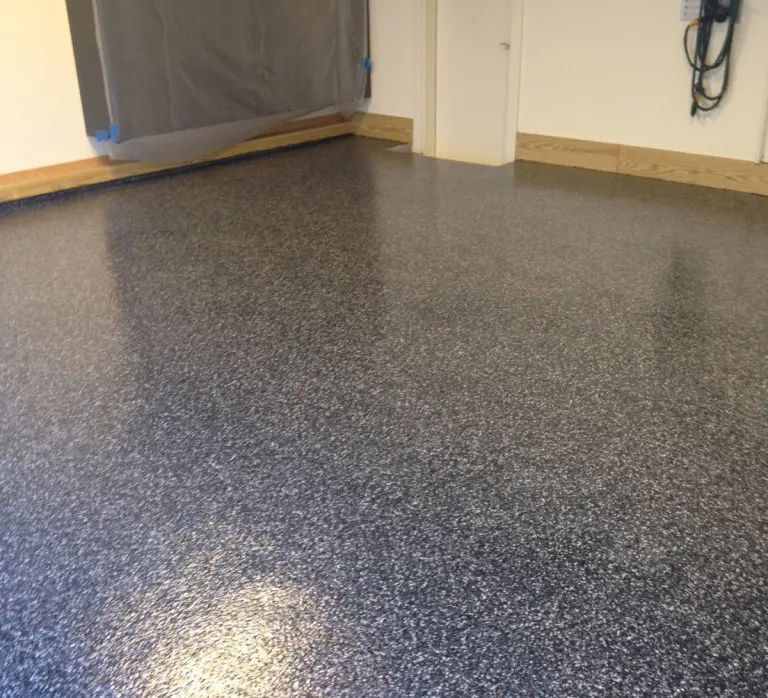
A polyurethane concrete coating is often chosen when the goal is a tougher wear surface that stays clean-looking under daily use—but it works best in specific environments and is not the right answer for every slab.
Concrete floors show wear in predictable ways. Grit scratches the surface. Foot traffic creates dull lanes. Tires and rolling carts concentrate abrasion in the same zones. Spills stain porous concrete, and repeated cleaning can gradually change the look of a floor that was never protected in the first place.
This is where a polyurethane concrete coating comes into the conversation. In many coating systems, polyurethane is used as a protective wear layer because it can deliver strong abrasion resistance and a durable finish. The practical question is not “is polyurethane good,” but where it makes sense based on how a space is used, what the floor is exposed to, and what kind of finish the owner expects to maintain over time.
This article covers the environments where polyurethane coatings are typically a good fit, where they tend to be a poor fit, and the decision factors that help a homeowner or facility manager choose the right approach.
What a polyurethane concrete coating is in practical terms
A polyurethane concrete coating is a protective layer applied over concrete (or over another coating layer) to help the floor resist:
- Abrasion and scuffing
- Many common chemicals and spills (product-dependent)
- Staining and absorption
- Routine cleaning wear
In many floor systems, polyurethane functions as the top layer—the surface that takes the daily abuse. That matters because when a floor wears, it’s usually the top surface that dulls first, not the entire system failing at once.
Polyurethane coatings can be used in different contexts:
- As a clear protective coat over decorative finishes
- As part of a multi-layer coating system for functional durability
- In spaces where a consistent, easy-to-clean surface is a priority
Where polyurethane concrete coating is commonly a strong fit
Below are the most common “good fit” use cases, along with what polyurethane is doing for the floor in each environment.
Garages and residential multi-use spaces
Garages are abrasive environments: hot tires, grit, and frequent movement in the same lanes. A polyurethane concrete coating can make sense when the owner wants:
- Better resistance to scuffing and dulling in tire paths
- A surface that cleans more easily than bare concrete
- Protection from spills like oil, coolant, and household chemicals
It is especially relevant when the floor is part of a system that includes proper surface preparation and a base layer designed to bond strongly to concrete. In that setup, polyurethane can serve as the wear surface that keeps the floor looking cleaner longer.
Showrooms, retail back-of-house, and customer-facing spaces
Customer-facing floors need to hold appearance as well as function. Polyurethane coatings are often considered when the space needs:
- A consistent finish that resists scuffing from foot traffic
- Easier daily cleaning without grout lines
- A surface that holds up under frequent mopping
In these environments, the “win” is often appearance stability—reduced traffic lane dulling and easier removal of dirt and marks.
Light industrial and commercial work areas
Some work areas don’t need the extreme build of heavy industrial floors, but still need a surface that tolerates:
- Rolling carts and moderate equipment movement
- Routine cleaning and occasional chemical exposure
- Repeated foot traffic with grit and dust
A polyurethane concrete coating can be a fit as a wear layer in a broader system, helping reduce surface abrasion and keeping maintenance simpler.
Food service and commercial kitchens (select applications)
In commercial kitchens and prep areas, the main demands are hygiene and cleanability, plus resistance to frequent cleaning. A polyurethane wear layer can make sense where the facility needs:
- A seamless surface that supports cleaning routines
- Improved stain resistance and reduced absorption
- Better tolerance for routine wet cleaning (when the system is designed for it)
In kitchen environments, traction and detailing (like coves and transitions) matter as much as the coating chemistry. The floor needs to be built to suit grease and wet conditions, not just coated for appearance.
Decorative concrete surfaces that need a clear protective layer
When the concrete has decorative elements—stain, overlays, or other design features—a clear protective surface is often used to preserve appearance. Polyurethane may be selected to:
- Protect the decorative finish from scuffs and abrasion
- Reduce staining and make routine cleaning easier
- Provide a more consistent wear surface that can be maintained over time
This is a common reason polyurethane appears in coating specifications: it can serve as the “armor” that keeps the decorative work from being damaged by daily use.
Where polyurethane concrete coating is often the wrong fit
Polyurethane is not a universal solution. Some environments require a different approach, or require additional planning beyond a coating choice.
Outdoor slabs in full sun without a system designed for UV and weather
Outdoor concrete faces UV exposure, wet/dry cycling, and wind-blown grit. In outdoor settings, performance depends heavily on the full system design—especially UV stability and traction in wet conditions.
If a product or system is not designed for sustained UV exposure and weather, the owner may see:
- Appearance shift over time
- Faster surface wear in traffic paths
- Traction changes when wet
Outdoor patios and pool decks often require a finish strategy specifically designed for outdoor exposure and barefoot comfort, not simply an “indoor wear layer” solution.
Slabs with unresolved moisture vapor issues
Moisture vapor transmission can cause coating issues including:
- Blistering or bubbles
- Cloudy areas under clear coats
- Adhesion loss over time
If moisture conditions are not evaluated and addressed, even a high-quality polyurethane coat can fail. The symptom pattern may look like “product failure,” but the root cause is moisture pressure from below.
Floors with heavy impact or extreme point loading
If an area sees frequent heavy impacts (pallet drops, sharp metal edges, intense equipment abuse), the floor may need a system designed for that level of mechanical stress. In those cases, a polyurethane top layer alone is not the deciding factor; the base build, thickness, and substrate condition matter more.
Decision factors that determine whether polyurethane makes sense
Instead of choosing based on name recognition, it is more reliable to evaluate a polyurethane concrete coating against these practical factors.
1) Abrasion level and traffic pattern
Polyurethane often makes sense when the floor sees:
- Repeated traffic lanes
- Rolling carts or moderate equipment
- Grit abrasion that dulls surfaces over time
If the main issue is abrasion and scuffing, a wear layer strategy is relevant.
2) Chemical exposure profile
Not every space has the same exposure. A garage floor sees oils and automotive fluids. A kitchen sees degreasers and sanitizers. A retail space sees mopping chemicals and occasional spills.
A coating that performs well in one exposure profile may not be ideal in another. The right selection matches what actually hits the floor.
3) Appearance expectations
Some owners want a floor that:
- Holds a consistent finish and resists visible scuffs
- Maintains a certain sheen level
- Cleans up without constant “touch-up” work
If appearance stability is a primary goal, polyurethane may be considered as a wear surface within a properly built system.
4) Traction requirements
Traction is not a given. Smooth floors can be slippery when wet. Textured floors can trap grime.
The right approach depends on:
- Whether the floor is frequently wet
- Whether it is a public or work environment where slip risk is higher
- Cleaning methods (mops vs scrubbers vs rinse-down)
A floor can be durable and still be a poor choice if traction is mismatched to the environment.
5) Concrete condition and prep feasibility
Polyurethane coatings depend on proper substrate condition. If the concrete is:
- Contaminated with oils
- Previously sealed or coated
- Weak or dusting at the surface
- Cracked with movement issues
…then prep and repair planning becomes the core of the decision. Coatings do not replace prep; they depend on it.
How polyurethane fits into a larger coating strategy
In many real installations, polyurethane is not the only layer. It is the top layer selected to take the daily wear while the lower layers provide:
- Bond to the concrete
- Build thickness and leveling
- Decorative effects (if desired)
Thinking of polyurethane as the “wear surface” helps owners understand what maintenance looks like: over time, refreshing the wear layer can be more practical than replacing an entire flooring system.
A polyurethane concrete coating makes the most sense in environments where the floor needs a durable wear surface that resists abrasion, scuffing, and routine cleaning—common in garages, showrooms, retail back-of-house areas, and many light commercial workspaces. It is also frequently used to protect decorative concrete finishes when maintaining appearance matters.
It is less effective as a “standalone fix” for slabs with moisture vapor problems, outdoor exposure demands that aren’t addressed in system design, or environments with extreme impact abuse. As with most concrete coatings, the best outcomes come from matching the system to the space: traffic patterns, chemical exposure, traction needs, and substrate condition.