

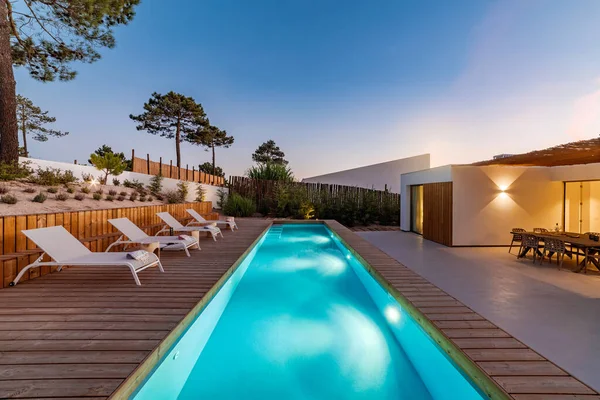
Why pool decks get brutally hot in Las Vegas, and how resurfacing choices can make the surface feel noticeably more comfortable
Las Vegas pool decks deal with intense sun, long summer days, and large areas of exposed concrete. That combination can turn a backyard into a “quick sprint to the water” situation, especially in the middle of the day. Even when the air temperature feels manageable, the deck itself can feel harsh on bare feet because hard surfaces absorb and hold heat.
That’s why “cooler underfoot” has become one of the most practical reasons homeowners look into pool deck resurfacing. Resurfacing is often viewed as a way to refresh a worn deck, but it also influences how much heat the surface absorbs, how it sheds that heat, and how comfortable it feels during peak sun hours.
Below is a clear, fact-based breakdown of what drives pool deck surface temperature in Las Vegas, what resurfacing can realistically change, and how finish choices affect comfort and daily use—without hype or unrealistic promises.
Why concrete pool decks feel hotter than people expect
Concrete is tough and common around pools, but a few traits matter a lot in desert sun:
- Thermal mass: Concrete stores heat. Once it warms up, it can stay hot well into the evening.
- Direct solar exposure: Many pool decks get hours of uninterrupted sun, especially late morning through afternoon.
- Color and reflectivity: Darker surfaces absorb more heat; lighter surfaces reflect more sunlight.
- Surface contact: The way your foot touches the surface changes how quickly heat transfers. Smooth slabs can feel like “full contact heat.”
- Surrounding heat: Block walls, rock landscaping, metal fencing, and reflected sunlight can increase heat load around the deck.
Pool water cools your body down, but the deck is still where people walk, stand, sit, dry off, and gather. If the surface is too hot, it changes how the whole pool area gets used.
What pool deck resurfacing can change about heat
Pool deck resurfacing can’t change the Las Vegas climate. What it can do is change several factors that drive surface temperature and comfort:
- Color tone: Lighter finishes usually absorb less heat than darker ones.
- Surface reflectance: Some finishes reflect and scatter sunlight more effectively.
- Texture: Texture changes foot contact and can improve wet traction at the same time.
- Consistency: Old decks often have patchy areas that heat differently (stains, exposed aggregate, darker repairs). Resurfacing can make temperature feel more uniform.
- Wear layer behavior: A resurfaced wear layer can behave differently than raw, weathered concrete in day-to-day use.
In plain terms: resurfacing is a way to “reset” the deck surface so it performs more consistently and feels more usable during hot months.
Color is the biggest driver of “cooler underfoot”
If you had to pick one factor that most strongly affects how hot a deck feels, it’s color.
- Darker surfaces absorb more solar energy and heat up faster.
- Lighter surfaces reflect more sunlight and typically run cooler in the same conditions.
That doesn’t mean every pool deck has to be bright white. Many homeowners choose light grays, sands, tans, and soft neutrals—colors that still look clean and modern while staying on the lighter side of the spectrum.
A simple rule of thumb: if your main goal is cooler barefoot comfort, you usually want mid-to-light tones rather than charcoal, espresso, or deep slate.
Why two “light” decks can feel different
Even when two surfaces look “light,” they can behave differently under the same sun. That’s because color alone doesn’t tell the full story.
Two decks can be similar in tone, but differ in:
- Reflectance: How much sunlight is reflected versus absorbed
- Surface finish: How the surface scatters light (and therefore heat)
- Staining and film buildup: A light deck that has darkened from residue or staining can run hotter than it used to
Resurfacing helps because it replaces years of uneven staining and patch repairs with a consistent finish, which tends to make the deck feel more predictable from one section to another.
Texture matters for comfort, not just slip resistance
Pool decks have two constant realities: water and bare feet. Texture choices affect both.
Comfort angle
Texture doesn’t eliminate heat, but it can change how heat transfers to skin. Many people find that a lightly textured surface feels more tolerable than a very smooth, dense slab because it reduces that “full contact” sensation that makes hot surfaces feel more intense.
Safety angle
Texture also matters because pool decks see:
- Wet footprints
- Splash zones near steps and tanning ledges
- Sunscreen overspray and oily residue
- Dust and fine grit (common in Las Vegas yards)
A resurfacing approach that includes a traction-minded texture can make the deck feel more stable when wet, which matters for kids, guests, and everyday use.
Why worn decks often feel hotter: stains, patches, and uneven exposure
Older pool decks commonly develop heat “hot spots” because the surface becomes uneven in both color and density:
- Dark stains from water, planters, fertilizer, or outdoor cooking areas
- Patch repairs that don’t match the original slab
- Exposed aggregate where the top layer has worn away
- Sections sealed at different times, creating different absorption and heat behavior
Even if you can’t measure the temperature difference, you can feel it when one area is uncomfortable and another is tolerable. Resurfacing reduces that patchwork effect by giving the deck a fresh, uniform wear surface.
Finish choices that support cooler-feeling pool decks
Most pool deck resurfacing systems are variations of coatings and resurfacing layers applied over existing concrete after prep. For barefoot comfort, the big levers are:
- Color tone (mid-to-light ranges)
- Texture strategy (for wet traction and feel)
- Long-term appearance stability (so the deck doesn’t darken unevenly over time)
Below are the common ways these choices show up in the real world.
1) Textured resurfacing finishes
Textured resurfacing is widely used around pools because it can address both comfort and safety.
In practical terms, textured resurfacing can:
- Refresh a worn look
- Add a controlled surface texture
- Make it easier to choose lighter, comfort-friendly tones
- Improve day-to-day usability in wet areas
For pool decks, texture is often most important in splash zones—near the steps, along the entry path from the house, and anywhere people routinely walk with wet feet.
2) Coating-based resurfacing systems
Coating-based systems create a sealed wear layer that can be easier to clean and more consistent in appearance than raw concrete.
For comfort goals, the key variables are:
- The chosen color tone (lighter usually helps)
- The selected texture approach (so wet traction is built in)
- How the surface holds its look over time (important in sun-heavy backyards)
A consistent wear layer matters because it keeps the deck from turning into a mix of “light here, dark there” after a couple seasons.
3) Decorative resurfacing looks that stay heat-aware
Many homeowners want the deck to look like it belongs with the coping, landscaping, and outdoor living areas—not like a plain slab.
Decorative finishes can still support comfort if they:
- Stay in lighter families (light neutrals, soft grays, sands)
- Use blended patterns that avoid large dark fields
- Keep traction in mind for wet areas
Decorative doesn’t have to mean dark or heat-heavy. It’s more about selecting a look that fits the yard and keeps the deck usable.
What “cooler” realistically means in a Las Vegas summer
It’s important to keep expectations grounded. In full sun during extreme heat, any hard surface can get hot, including lighter ones. A realistic comfort goal is usually:
- Lower peak surface temperature compared to darker or worn concrete
- A deck that stays more comfortable earlier and later in the day
- Fewer “hot spots” where one section feels dramatically worse than another
- A surface texture that feels stable when wet and doesn’t become slick
In other words, resurfacing can improve comfort and usability—but shade planning and timing still matter.
Where resurfacing tends to deliver the biggest comfort payoff
Some pool decks benefit more than others from resurfacing specifically for heat and barefoot comfort.
Large, open decks with little or no shade
Wide-open decks can become hard to use at peak hours. A lighter resurfacing finish can make those spaces workable for longer stretches of the day.
Decks with dark staining or patch repairs
When half the deck reads darker because of staining, mismatched repairs, or old sealers, resurfacing can change how the deck feels because it resets both color and consistency.
High-traffic entry paths
The route from sliding door → pool steps is where people notice heat first. A resurfaced finish that’s lighter and more consistent can make daily movement around the pool feel easier.
Prep work: why the starting surface affects comfort results
Even though “cooler” sounds like a finish choice, prep matters because it determines how uniform the finished surface can be.
If an existing deck has:
- Flaking areas
- Pitted zones
- Spalled edges
- Prior coatings that are peeling
- Uneven patches
…those conditions typically need to be addressed so the new surface isn’t forced to “mirror” the old problems. A consistent resurfaced layer helps the deck behave more uniformly in the sun, which supports the comfort goal.
Water, pool chemicals, and sun: the triple exposure
Pool decks face a repeating cycle that influences how they look over time:
- Sun and UV (fading and surface wear)
- Water (constant wet/dry cycling)
- Pool chemicals (splash-out and residue)
A resurfaced deck that keeps its appearance consistent under that cycle is more likely to stay in the lighter, cooler-feeling range you chose at the start. Even small shifts in tone over time can change how hot the surface feels.
Small backyard factors that can make a deck feel hotter
Two neighbors can have the same finish and still experience different comfort levels because of yard layout:
- Dark block walls can radiate heat back onto the deck
- Rock landscaping can raise surrounding temperatures
- South- and west-facing exposure often produces longer, harsher sun on the deck
- Limited airflow in enclosed yards can increase perceived heat
Resurfacing addresses the deck surface itself, but these surrounding factors explain why some backyards feel more intense than others.
Maintenance habits that help a resurfaced deck stay comfortable
This isn’t about special routines—just the common realities that keep a resurfaced surface from darkening unevenly:
- Rinse areas where sunscreen, oils, or debris collect
- Avoid letting planters leak mineral stains onto the deck
- Keep shaded corners from developing slippery buildup
- Don’t let dirt film build up over long periods (a darker film can increase heat absorption)
When the surface stays closer to its original tone, it’s more likely to keep the comfort benefits you were aiming for.
A natural closing note on cooler pool decks
“Cooler surfaces” is one of the most practical reasons homeowners consider pool deck resurfacing in Las Vegas. The best outcomes usually come from pairing lighter, heat-aware color choices with a texture approach that supports wet traction, then treating the deck like an outdoor surface that sees constant sun, water, and daily traffic.
Resurfacing won’t make a deck feel like grass in July. What it can do is reduce the worst heat behavior, smooth out hot spots, and make barefoot movement around the pool feel more manageable across more hours of the day—especially when the existing slab is stained, faded, or patched and no longer behaves consistently.