

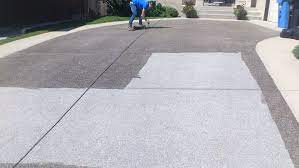
Patio concrete resurfacing can refresh a worn outdoor slab when the underlying concrete is still stable, but the results depend on what you’re trying to “fix” and whether the issue is surface-level or structural.
Patios take a steady beating that doesn’t always look dramatic at first. Sun exposure fades and dries surfaces. Wind-blown grit slowly abrades the finish. Outdoor furniture scratches and scuffs. Water from irrigation overspray and seasonal storms can create staining and mineral marks. Over time, a patio can look rough, patchy, and dated—even if the slab itself is still functional.
That is the sweet spot for patio concrete resurfacing. Resurfacing is often used to rebuild the look and feel of the surface without replacing the slab. It can correct cosmetic issues, improve texture, and create a more uniform finish. What it cannot do is stop a patio from moving or fix a slab with base failure.
This guide covers what resurfacing can realistically fix—cracks, stains, and uneven texture—and how to tell whether your patio is a good candidate.
What patio concrete resurfacing is in practical terms
Resurfacing typically involves:
- Preparing the existing concrete (cleaning, profiling, and repairs)
- Addressing cracks and weak areas as needed
- Applying a resurfacing layer to create a new finished surface
- Sealing the new surface when appropriate for protection and easier maintenance
The resurfacing layer may be thin or thicker depending on the condition of the patio and the finish goals. The key is that resurfacing is designed to improve the surface condition, not rebuild a slab that is structurally failing.
What patio concrete resurfacing can fix
1) Surface stains and discoloration that won’t wash out
Patios commonly stain from:
- Food and drink spills
- Leaf tannins and organic debris
- BBQ grease
- Rust sources (furniture, planters)
- Hard water and irrigation overspray
Pressure washing helps when staining is superficial. But many stains soak into pores or become “set” over time.
What resurfacing can do
- Cover or replace the stained surface layer with a new uniform finish
- Reduce the visual dominance of old discoloration and patchy tones
- Create a surface that can be sealed for better stain resistance going forward
What to keep realistic
If staining is tied to ongoing sources—like constant sprinkler overspray—resurfacing will look best when the water source is corrected so new marks don’t recreate the same pattern.
2) Minor surface pitting and erosion
Over time, patios can develop pitting or surface erosion that makes the slab look rough and dirty even after cleaning.
What resurfacing can do
- Fill and level surface pitting so dirt no longer collects in tiny voids
- Restore a smoother, more consistent finish (with traction designed in)
- Improve cleanability because the surface is more uniform
Where limits show up
If the concrete is deeply deteriorated across a large portion of the slab, resurfacing may require more extensive prep and repair—or the patio may be a better replacement candidate.
3) Patchwork appearance from old repairs or mismatched pours
Many patios have:
- Old patches
- Repaired corners
- Add-on sections poured years later
Even if the patio functions fine, it can look uneven in color and texture.
What resurfacing can do
- Blend the patio into a more uniform finished surface
- Reduce the “different concrete batches” look
- Create consistent texture across old and new sections
This is one of the most common reasons homeowners choose resurfacing: it makes the patio look like one intentional surface again.
4) Uneven texture and inconsistent feel underfoot
Patios can end up with mixed textures:
- Smooth zones from wear
- Rough areas from scaling
- Broom marks that don’t match across sections
- “Polished” walk lanes from repeated traffic and cleaning
What resurfacing can do
- Create a consistent texture designed for outdoor use
- Improve traction compared to worn-smooth areas
- Make the patio feel more consistent across the whole footprint
For outdoor surfaces, texture is not just cosmetic. It affects slip risk when the patio is wet.
5) Hairline cracks and stable cracks (with realistic expectations)
Most concrete develops cracks. The important distinction is whether cracks are stable or driven by ongoing movement.
Resurfacing can often address
- Hairline cracking
- Small shrinkage cracks
- Cracks that are not showing vertical displacement
But keep expectations realistic
If the slab continues to move due to soil, drainage, or joint issues, cracks may eventually reflect back through. Good prep and crack treatment reduce the risk, but they do not change the fact that concrete can move.
What patio concrete resurfacing cannot fix (and why that matters)
Even if resurfacing can improve how a patio looks, it is not the right tool for every problem.
1) Major settlement or heaving
If one section of the patio is sinking or lifting, resurfacing cannot correct the base movement. In these cases, the surface layer will likely crack or telegraph movement over time.
Warning signs include:
- Noticeable lippage (one side higher than another)
- Trip edges
- Water draining the wrong way because slopes have changed
2) Cracks with vertical displacement
When one side of a crack is higher than the other, the slab is moving. A resurfacing layer cannot “lock” the slab into stability.
3) Severe drainage and puddling problems
Some minor low spots can sometimes be improved with surface work, but a patio that consistently ponds water has a bigger design or settlement issue. Standing water accelerates staining and surface wear, regardless of finish type.
4) Weak, crumbling, or dusting concrete across most of the patio
If the surface is consistently weak or shedding material across large areas, resurfacing may not have a reliable base to bond to without major remediation.
How to tell whether your patio is a good candidate
A patio is often a strong resurfacing candidate when:
- The slab is generally level and stable
- Cracks are mostly hairline or narrow and show no vertical movement
- The main issues are cosmetic: stains, patchy color, surface roughness, inconsistent texture
- You want a refreshed look without demolition and replacement
A patio is often a poor candidate when:
- Sections are sinking or heaving noticeably
- Cracks show vertical displacement
- Water consistently ponds in the same areas
- The concrete is severely deteriorated throughout the slab
Why preparation determines how well resurfacing “fixes” these issues
The biggest difference between a resurfacing job that looks good for years and one that starts failing early is prep.
For patios, prep typically has to address:
- Embedded dirt and contamination
- Loose or weak surface material
- Previous sealers or coatings
- Crack and joint conditions
- Surface profile for bonding
If a patio is resurfaced without proper prep, the new layer can debond, chip at edges, or wear unevenly—especially in outdoor environments where sun and moisture cycling are constant.
–
Patio concrete resurfacing can fix a lot when the slab is stable: deep-looking stains that won’t wash out, patchwork repairs, surface pitting, and inconsistent texture that makes the patio feel rough or slippery in spots. It can also restore a more uniform appearance and improve how the space feels underfoot.
The key is matching the solution to the problem. Resurfacing is a surface reset, not a structural fix. If the patio is moving, has vertical crack displacement, or suffers from major drainage issues, replacement or deeper repair planning is usually the more reliable path.